


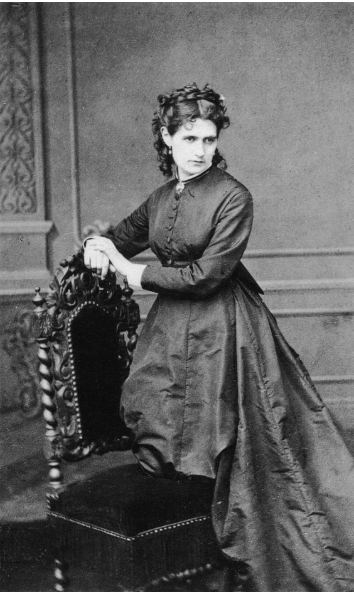
Berthe Morisot was a French painter during the 1800s Impressionist period. She lived at the same time as Monet, and they were friends and close colleagues. Édouard Manet was also a close friend of Morisot. She actually married his brother Eugene. Manet often painted Berthe as his muse, and Morisot was greatly inspired by Manet. Morisot lived an interesting life and was a fantastic impressionistic painter. While she may not be a household name like Moet or Picasso, her paintings are filled with beauty and feeling. Through the course of her life, because she was a woman painting in a controversial style for the time, she never received the plaudits she deserved during her lifetime. She passed, never knowing that her paintings would hang on the walls of the most prestigious museums in the world alongside her heroes’ paintings.
Born in Bourges, France, on January 1841, Berthe was the daughter of a high-class government official and granddaughter of the famous Rococo painter Jean-Honoré Fragonard. She decided at a young age that she wanted to be a painter. She and her sister Edma received much art training from tutors, but only Berthe continued her training with considerable dedication and ambition. When she was 21, she received additional training from Jean-Baptiste-Camille Corot, a very notable Impressionist painter. This is where Morisot clearly developed her style, but she would find more inspiration from Édouard Manet. She was constantly ridiculed for being a woman and an impressionist painter (which was very new and modern at the time). She died on March 2, 1895, in Paris after a prolific painting career and had only one child, Julie Manet. Berthe often painted her daughter, demonstrating her love for her.
Morisot is known for her gentle paintings of women and children, as well as landscapes that were flowering with luminous plants and life. She would often paint her sister, mother, child, and her nieces. She used loose brush strokes that still captured the subject’s unique expressiveness. Morisot aimed to reveal the depths and personalities of the people she painted and found the special elements of nature in the landscapes she encapsulated so beautifully.
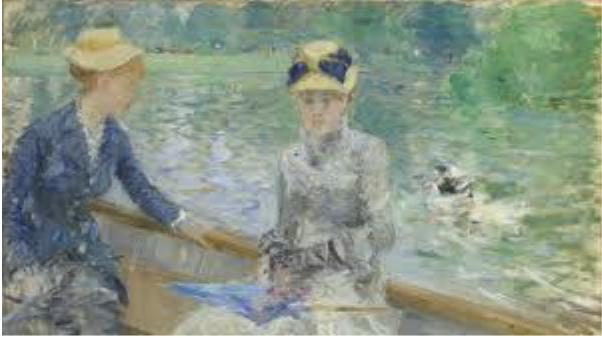
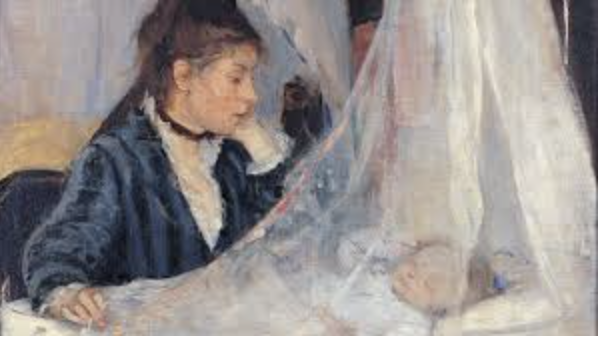
The works she was most known for include The Cradle, The Psyche Mirror, Summer’s Day, and Le Jardin à Bougival. The Cradle, painted in 1872, portrays Morisot’s love for painting women and children as she painted her sister lovingly watching her child sleep. Morisot uses a very light color palette to paint the veil over the child’s cradle, the woman’s face, and fabric in the background, while the room’s walls and her sister’s dress bring contrast and allow the viewer to make the piece utterly striking. This work was one of the pieces shown at the First Impressionist Exhibition in 1874, where Morisot was the only woman to have her art displayed. At first, this work was not talked about much as many felt that the subject was too “feminine,” being painted by a woman. This caused Morisot’s talents not to be truly recognized until after her death. The Cradle is now displayed at the Musée d’Orsay in France, where it receives the love and appreciation it deserves from people visiting the museum.
Morisot is known as one of the founding members of the Impressionist movement and for breaking gender barriers for women in art. She is now a highly decorated artist with her art displayed all over the globe and in incredibly prestigious museums, such as the National Gallery in London, the Louvre, Musée d’Orsay, Musée Marmottan Monet, the Met, and several others.