


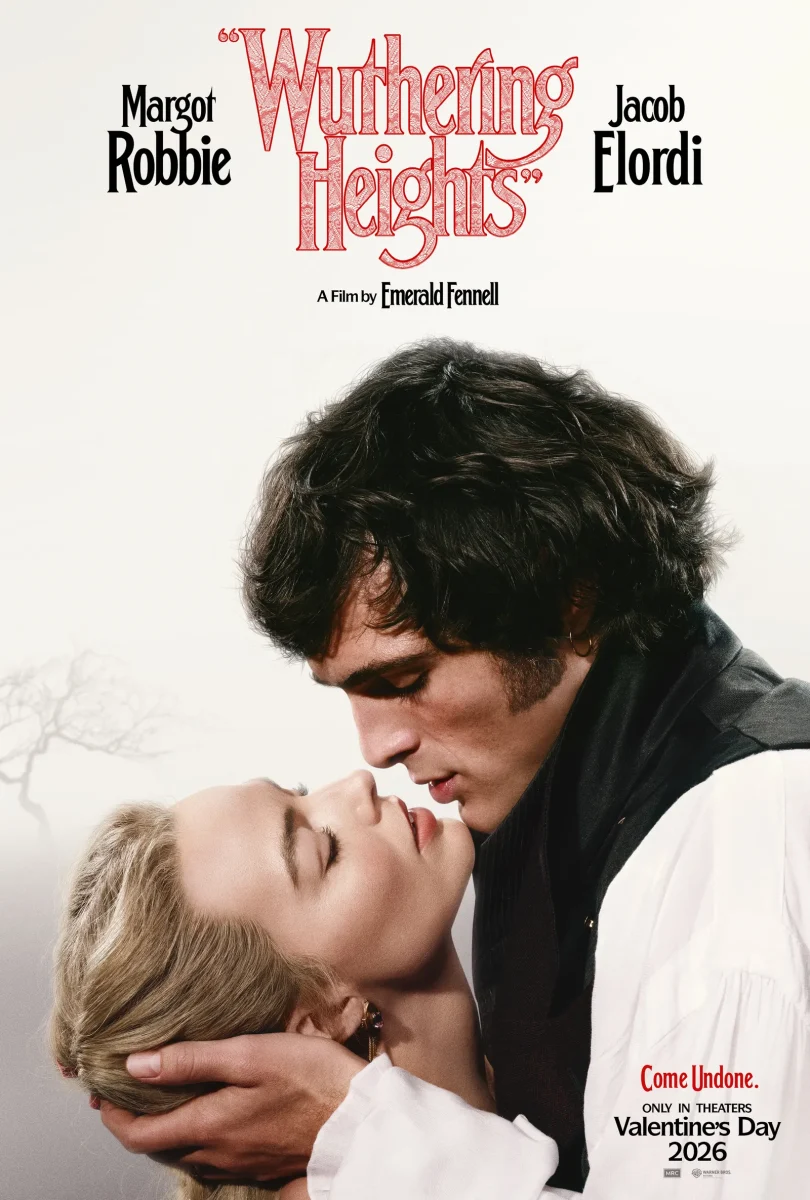
It is no surprise that a sexualized, ignorant adaptation of a complicated, grim story has received mixed reviews in the media. Emerald Fennel’s Wuthering Heights is a film based on Emily Brontë’s 1846 novel Wuthering Heights, which follows the chaotic story of Catherine Earnshaw and Heathcliff, her childhood “friend,” and the subsequent chaos that the two of them cause within their inner circle. The novel is one of the most iconic and critically acclaimed of all time, but did Fennel’s adaptation meet the mark? Well, not exactly.
For lovers of Brontë’s novel, the movie did not meet expectations as key plot points are twisted to fit a “love story” that isn’t originally in the novel. For example, the movie fails to include the entire second half of the book and also certain characters, such as Catherine’s brother, Hindley, and his son, Hareton. The sexual nature of the movie is drastically different from the novel, where Catherine and Heathcliff do not have an affair. There is also a lot of mischaracterization, with Heathcliff’s movie adaptation having a more sympathetic personality rather than the cold, abrasive man he is in Brontë’s original. One of the most controversial problems is that Heathcliff’s skin tone was changed from a darker color as portrayed in the book, to Jacob Elordi’s white tone. This feels not only ignorant to some readers, but also takes away the reasons Catherine and Heathcliff cannot be together (racial prejudice).
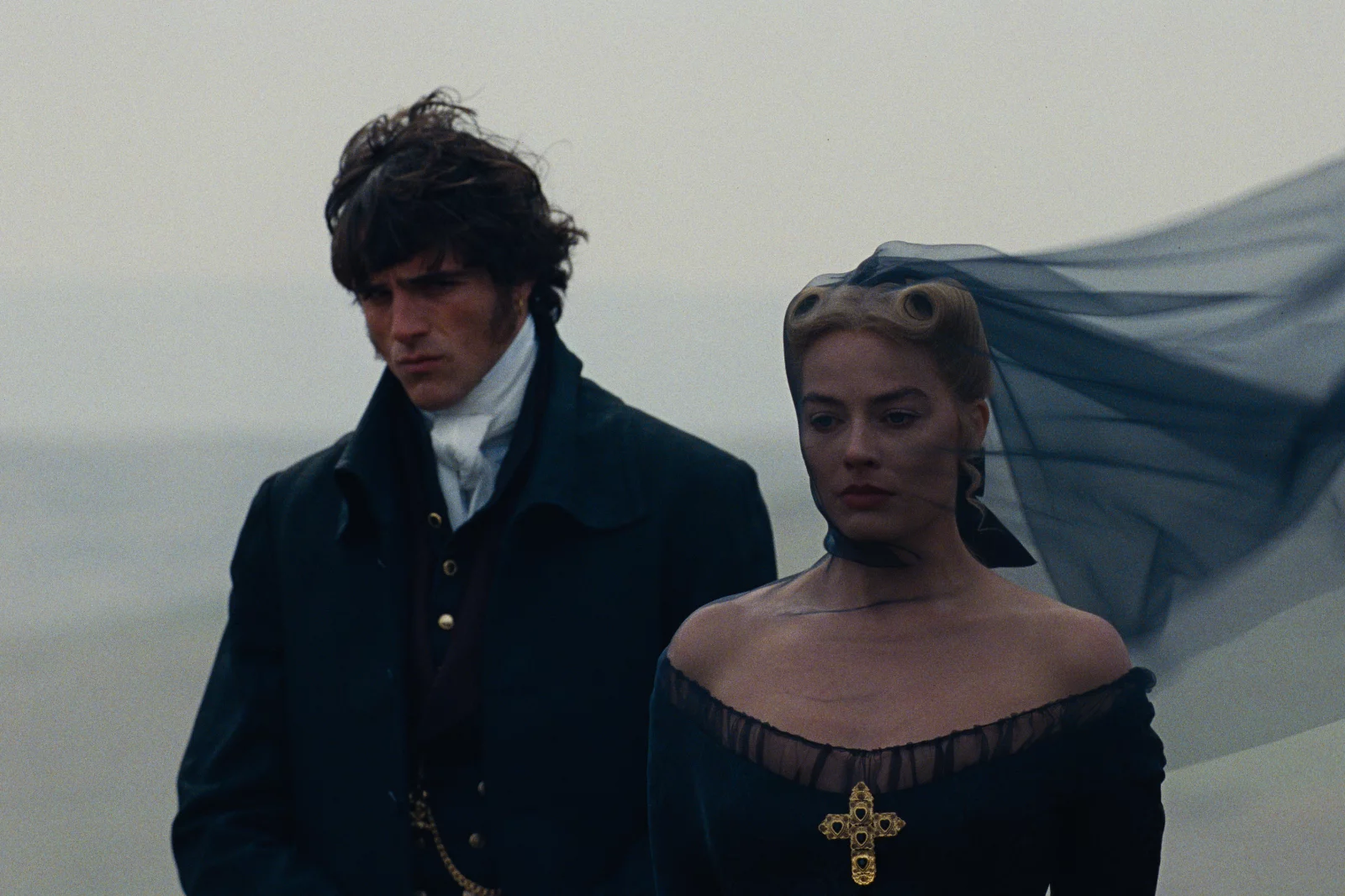
As for people who haven’t read the novel, the reviews are more mixed. Some say that this is an incredibly beautiful love story that has a sorrowful ending, causing tears from many viewers. More critical viewers believe that some of the acting from the principal leads, Elordi (Heathcliff) and Margot Robbie (Catherine Earnshaw), lacks chemistry and “personality.” Tldrmoviereviews.com wrote “I did not care for their brooding, their furrowed stares, their manipulations, nor indeed their wants and desires,” which is always a problem if characters are bland or do not connect with the audience.
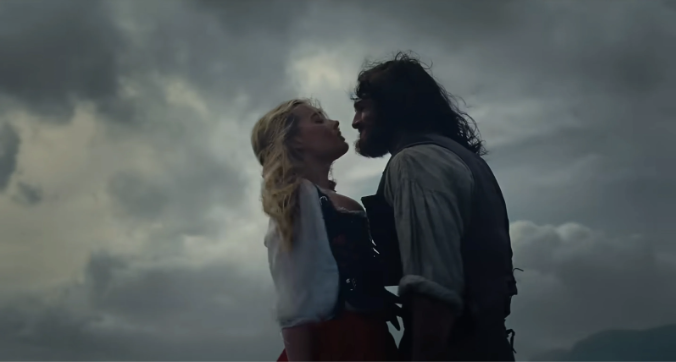
However, most people agree that the musical score and cinematography are top-notch. Charlie XCX’s “Wuthering Heights” album set the dark and gloomy tone for the movie, and the more traditional songs incorporated into the film are placed well. The willingness of Fennel to film on location also adds to the beauty and liveliness of the film’s atmosphere. The color schemes are beautiful, and every shot is like a painting on its own.
The reactions to Fennel’s Wuthering Heights are unsurprisingly mixed, as was already decided when it was clear that the movie would not follow the story Brontë masterfully made. The fact of the matter is that Fennel’s adaptation takes away key elements and themes that challenged the prejudices and status quo of Brontë’s time, such as racism and classism. Instead of a story that depicts two young adults ripped away by the status quo of the 19th century, causing them to make atrocious choices, the abuse is glossed over and glorified to appeal to viewers who came to watch two bodies get smashed together.