

The monetization of college athletes’ names, images, and likenesses has represented one of the most significant shifts in college sports since the NCAA’s Founding. This is because NIL, which stands for Name, Image, and Likeness, represents the rights of college athletes to earn money from their personal brand, endorsements, and sponsorships, proving to be a controversial accomplishment. For context, in the U.S. Supreme Court’s landmark antitrust decision in National Collegiate Athletic Association v. Alston, this ruling is considered one of the most important in American sports’ history, marking the beginning of the end for the traditional NCAA model.
What started as current Division 1 athletes suing the NCAA for not giving them enough money, since they were considered “amateurs,” ended with the Supreme Court ruling that the NCAA was indeed violating antitrust laws by limiting what they could give athletes. This mattered because the NCAA could no longer use “amateurism” as an excuse to pay less. While NIL has created unprecedented opportunities for athlete compensation, it has ultimately disrupted competitive balance, reshaped the recruitment process, and challenged the NCAA’s foundational structure.
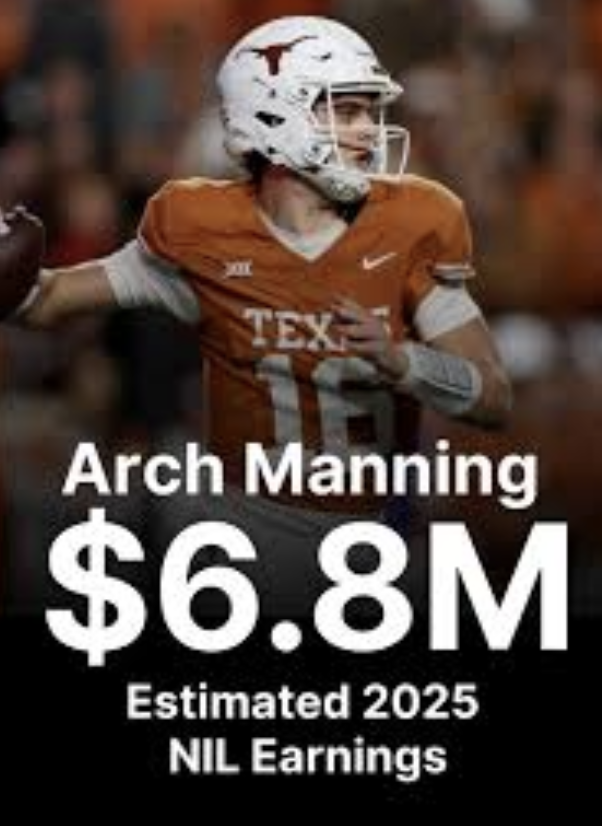
NIL is allowing the rights for athletes to profit from endorsements and personal branding that is separate from athletic scholarship. As seen in Athletic Association v. Alston, the Supreme Court limited restrictions on athlete compensation. However, some states, such as Colorado, Florida, Texas, and others, passed laws enabling NIL deals before federal legislation. Now, athletes can earn millions through endorsements, social media deals, and personal experiences. With NIL, there can be many positive changes for athletes. For instance, the top players can earn 6-figure deals, and allow for wealth generation based on one’s marketability. Economic justice has been made, allowing athletes to gain the wealth they deserve. Additionally, it also helps build personal brands for post-athletic careers and increase athlete engagement for content creation, further enhancing fan experiences.
In addition to the widened pay and media exposure for athletes, there are also various negative changes. Firstly, NIL will influence transfers and recruits, resembling illegal payments. There is also an increased competitive imbalance as wealthy schools with large investors can attract top talent, while small schools do not have this luxury and cannot compete. This eventually leads to star players earning millions, while smaller ones earn minimum compensation. With the opportunity of more money, it also means more transfers, disrupting the team’s stability. Although there are a variety of positive impacts, one must also look at the negative impacts to truly get the whole picture.
Thus, NIL fundamentally transformed college football from an amateur sport to a “professional” league. While balancing necessary evolution for pay as well as establishing a fair playing field, college football must balance economic rights with competitive integrity.