


Balancing school, sports, and a social life can be challenging for student-athletes. Performing at your best is not just about showing up on game day, but rather about building habits that support your body and mind each day. Maintaining peak athletic performance comes down to four key components: consistent practice, exercise, nutrition, and mental health.
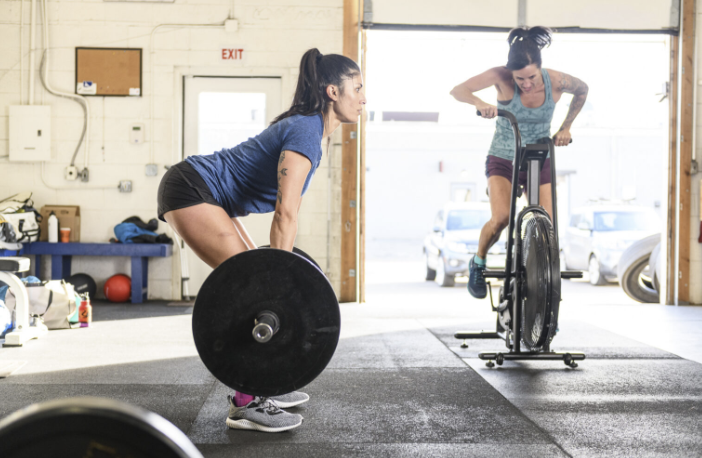
Consistent Practice:
Practice is where athletes can develop their skills and improve at their sport while simultaneously building confidence. Regular attendance and full effort during practices allow players to improve their technique, coordination, and sportsmanship. Most coaches design practices to simulate real game situations, which helps athletes react faster and make smarter decisions under pressure. Showing up prepared, well-rested, hydrated, and focused can ensure that practice time is productive. Consistency also builds discipline. Athletes who commit to regular practice often develop stronger work habits that benefit them both on and off the field. Consistent practice is important because it allows you to expand your skillset and improve.
Exercise & Conditioning:
Training outside of regular practice can help athletes build strength, endurance, and flexibility. Based on one’s sport, conditioning workouts such as running, swimming, or even cycling can help improve one’s stamina and cardiovascular endurance. Strength training builds muscle and protects joints, which can help reduce the chances of injury.
Equally important is rest and recovery. Overtraining can lead to exhaustion or injury, so incorporating rest into your training schedule is critical. Stretching, proper sleep, and recovery routines all help the body rebuild and perform better over time.

Nutrition:
Athletes rely on their bodies to perform, and proper nutrition is the foundation for success. Eating balanced meals can provide the energy needed for practices, games, and workouts.
A good athletic diet typically consists of carbohydrates, proteins, and healthy fats. Carbs provide athletes with quick energy, making foods such as whole grains, fruits, and vegetables essential before practices or games. Protein helps muscles recover and grow, so including foods like eggs, chicken, beans, fish, or tofu supports recovery after intense workouts. Healthy fats from foods like nuts, avocados, and olive oil also play a role in sustaining energy levels.
Hydration is also just as important as food. Drinking enough water throughout the day helps prevent fatigue, improves endurance, and reduces the risk of injury. Many athletes underestimate the impact dehydration can have on performance, calling attention to the need to hydrate often. Hydration can increase blood flow and help athletes energize with electrolytes.
Mental Health & Mindset:
Not only is athletic performance physical, but it is also mental. Student-athletes often struggle to find balance between their practices, competitions, academics, and expectations from coaches or teammates while also trying to maintain a healthy personal life. Learning to manage stress and staying mentally stable is essential.
Additionally, athletes need to take moments to retreat and debrief. Doing things such as goal setting, or taking “me time” to do activities you enjoy outside of sports, can allow you to relax and unwind without the external pressure. When feeling overwhelmed, it is a good idea to step back and take a break, if only for a short while. Many athletes face burnout from pushing themselves too hard, and it is critical to find a healthy balance within a chaotic schedule.
Confidence and resilience are key traits for athletes. Losses, mistakes, and setbacks are a natural part of sports, but learning from those experiences can help athletes grow stronger both mentally and physically.
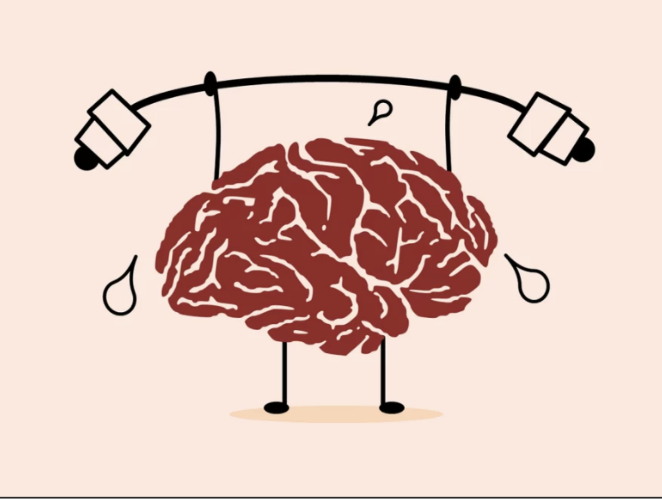
Ultimately, peak athletic performance comes from balance. Proper nutrition fuels the body. Exercise strengthens it. Practice sharpens skills. Good mental health keeps athletes motivated and focused. When student-athletes take care of both their physical and mental well-being, they put themselves in the best position to succeed, not only in sports but also in school and life.