

Despite winning national titles, US figure skating champions may be ineligible for Olympic competition due to eligibility rules and timing issues. For context, the Olympic Games and the US figure skating program have certain eligibility requirements. As an example, the International Skating Union (ISU) states that there must be a minimum age of 15, demonstrate technical elements in international competitions, compete in ISU-sanctioned events, and achieve minimum world rankings, while also being in good standing with ISU, to qualify for international success. Even if one has domestic success, the ISU still requires international qualifications. Hence, national championship titles do not automatically guarantee Olympic eligibility, but rather, athletes must meet specific ISU requirements, including residency standards, competition timing deadlines, and international performance benchmarks.

Despite skating well at the US Figure Skating Championships last year, two-time reigning pairs national champion Alisa Efimova and her partner, Misha Mitrofanov, cannot skate at the Olympics. This is because although they scored well enough to qualify for the Winter Games, they are ultimately ineligible. After all, Efimova is not an American Citizen. Mitrofanov is a US citizen by birth, but Efimova was born in Finland and has represented Russia and Germany in international competition. She moved to the States in 2023, receiving a green card that faced a three-year waiting period for citizenship. Mitrofanov states, “Hey, this was an opportunity. It may not have worked out. But so many great things have come from it that we are very happy moving forward.” They had hoped to speed up the immigration process and were hoping for a “last-minute miracle.” However, they still were unable to sort out the red tape before the Olympic roster was created, sending them home instead of the Olympics.
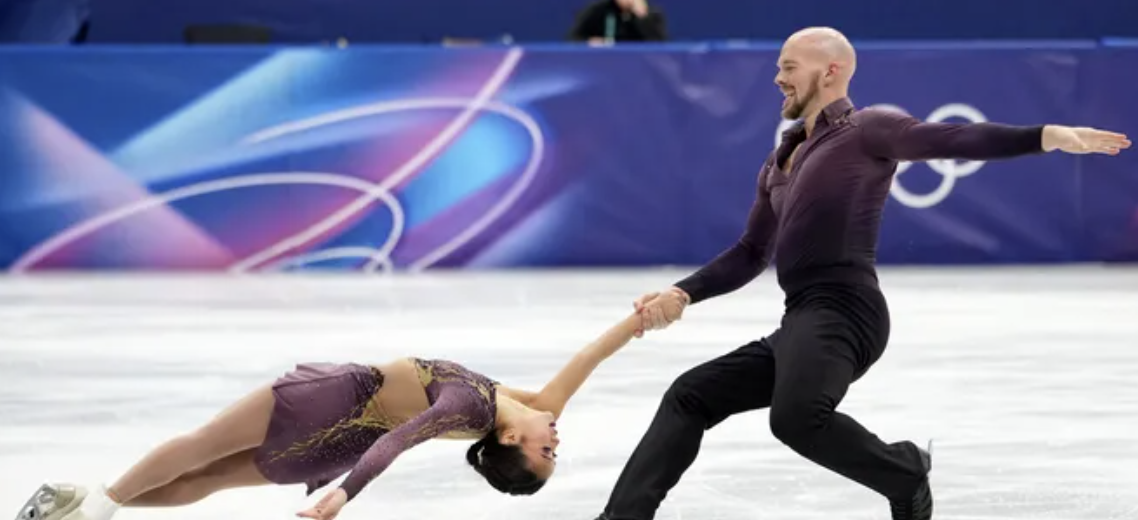
The remaining two US pairs sports for Milan went to Ellie Kam and Denny O’Shea, two silver medalists at nationals, and to Chan and Howe, who finished fourth. Without Efimova and Mitrofanov at the Olympics, the Americans are still expected to keep their gold medal in the team competition, with not as much pressure. Instead, Efimova and Mitrofanov will head to Beijing for the Four Continents tournament, made up of mostly non-Olympians, and then to prepare for the world championships in Prague. The pair can compete because the rules around international skating are different from those of the International Olympic Committee, so Efimova does not have to be a US citizen to represent the US.
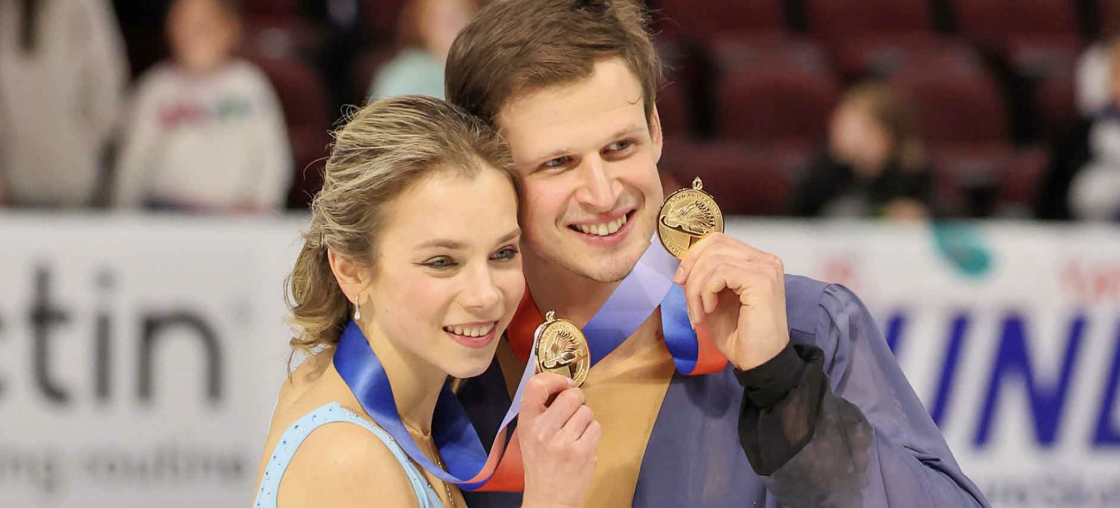
While Alisa Efimova and Misha Mtrofanov face the disappointment of missing the Olympics, their journey highlights the complex interplay of immigration, eligibility, and the relentless pursuit of dreams in the world of figure skating.