


What does it mean to bet on sports? Is it like the TV shows where everyone crowds around, awaiting their lucky chance at winning a large chunk of money due to their extreme “luck”? In reality, sports betting breaks down into a more complicated look. Firstly, it consists of organized gambling and athletic competition in which the integrity of a game is compromised for financial gain, time and time again. While sports betting has moved from the shadows to a legalized multi-billion dollar industry, its expansion creates unprecedented risks for point-shaving, match-fixing, and the erosion of athletic meritocracy.
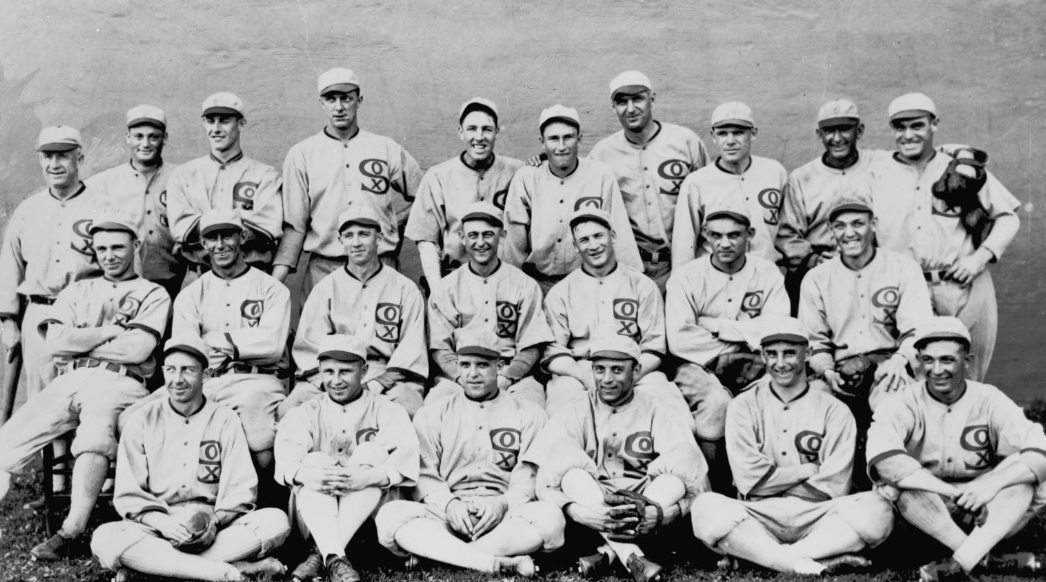
Sports betting scandals have been around for ages. For instance, the 1919 “Black Sox” Scandal included eight Chicago White Sox players conspiring to throw the World Series, eventually leading to the creation of the Office of the Commissioner of Baseball. Additionally, the 1951 CCNY Point-Shaving Scandal in the NCAA was a large basketball scheme involving seven schools and 33 players, further highlighting the vulnerability of unpaid amateur athletes. However, while there are various examples of sports betting scandals in the past, they certainly extend to the modern era. As seen in the Tim Donaghy Scandal in 2007, a veteran referee bet on the games that he officiated, using his influence over controversial foul calls to affect point outcomes. On an international level, the rise of “spot fixing” or betting on certain events like a yellow card or double fault was a common practice in global markets. Lastly, the Jontay Porter Ban was a modern example of a player providing confidential information to betters and limiting his own participation for gambling purposes. Thus, no matter where in the world, at what time, or with what player, sports betting, especially with illegal practices, has been around and taken prevalence more than we have realized.

While there are various examples of sports betting scandals, how does it actually work, and what are the consequences? Scandals usually happen by either ensuring that a specific team loses, or else a team wins the game but fails to cover the “spread,” such as intentionally missing free throws. This can also be seen in manipulating micro-events within a game that either do not change the outcome, or one can even go to the extent of grooming an athlete or building relationships with vulnerable athletes to better help one’s chances to win. As for consequences, lifetime bans, prison sentences, and the loss of endorsements are all common practices. There are also various data monitoring programs, like Sportrader, which track suspicious activity in real time.

While scandals have taken such a strong presence in sports today, it is important to note that leagues now rely on gambling revenue, all while policing their influence. To prevent further scandals, the need for standardized federal regulation as well as mental health programs for athletes must be ensured. As the line between sports and gambling blurs, the greatest threat is no longer a loss of revenue, but rather a loss of belief in the “honesty” of the scoreboard.