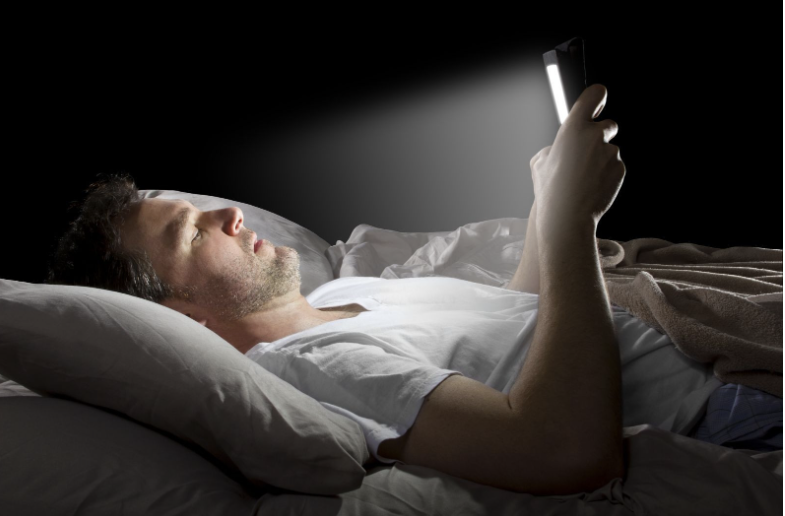
Almost everyone has heard of blue light glasses, but do you actually know what they do, or what blue light even is? To put it in simple terms, blue light is an electronic light that affects our eyes in the dark hours of the day. Our ancestors used to get their light from the sun, and when the sun would set, they had lamps or candles. In modern society, we stay up later, endlessly scrolling on our phones, unaware of the extreme harm that blue light causes. The name “blue light” comes from the blue wavelengths that project from phones. This blue wavelength stimulates attention and reaction time. Although this is seemingly beneficial during the day, when we’re trying to wind down, relax, and get the rest we all need so deeply in the evening, exposure to this light is one of the worst things we can do for our brains, along with a laundry list of other negative effects it has on our health.
Blue light suppresses the secretion of melatonin, the sleep hormone. This hormone is naturally produced, but blue light decreases its production, leading to poor sleep quality. High exposure to blue light also causes sleep deprivation, eye strain, brain fog, cancer, heart disease, diabetes, and obesity. Although many of these health problems also have different factors, blue light exposure most definitely affects your sleep, and the amount of rest you get each night tremendously impacts your health. Your body needs time to rest after a long day, whether that be after school, work, or sports. If someone is deprived of sleep, this frightening list of health issues can most definitely become a reality if one is not careful.
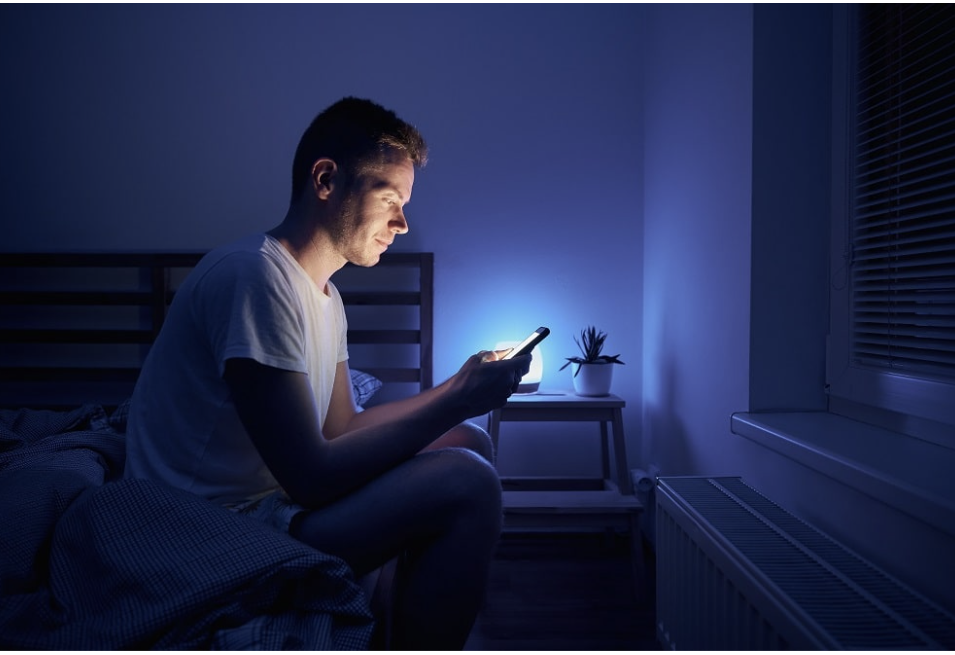
Over the years, researchers have conducted plenty of studies on the effects that our phones have on a person’s health. Undoubtedly, blue light is one of the many major detrimental effects. Thanks to research, we’ve also found a few solutions that have helped combat these poor effects. One of these solutions is blue light glasses. These glasses block the blue light from reaching your eyes. They increased in popularity during the COVID shutdown when everyone was in close contact with their screens. As a result, the effects of blue light increased, so blue light glasses became extremely necessary. Another solution is limiting screen time. Researchers have suggested getting off your phone one to two hours before going to bed to reduce blue light exposure. If this is not an option for you, try turning down your screen’s brightness. Installing apps that can block blue light to some degree and switching your phone to night mode will also decrease blue light. Researchers also suggest projecting red light, if possible, when trying to sleep. Red light stimulates circadian rhythms, which are affected by blue light.

Now, while blue light will probably be part of our lives for the foreseeable future, there are many things we can do to counteract the negative effects. If you follow these steps and try to reduce screen time at night as much as possible, you’re on the right path to having good sleep, a high-functioning brain, and good health overall. So don’t forget to wear blue light glasses, turn down your brightness, and get off your phone at night.