


New Years is no doubt one of my top favorite holidays. Yes—part of that is because all of the celebrations are fun, but my actual excitement comes from the possibility of a fresh start. What is so amazing about January 1st is that it is a clean slate; you have the chance to make the next year into anything you want it to be.
However, a lot of us go into the new year with goals that sound great but don’t actually work. Some may sound familiar: Perfect grades, zero sugar, or eight hours of sleep every single night. These examples set a standard of perfection and leave room for no mistakes…ever. In reality, this is why, according to Baylor College of Medicine, nearly 88% of people abandon their resolutions by February (or March in a good year). This is not at all because they’re lazy; it is because their goals were simply not realistic.
So, assuming this data is correct, how DO you achieve your goals? The answer is balance. With the help of balance, you can avoid burnout and help these good habits stick.
Instead of creating a list of 50 impossible goals, try building your year around three simple, sustainable ones:
Build a routine that honors both school and social life
When school, friends, family, and other activities all demand attention at the same time, finding the perfect balance between them can feel impossible. One way to regain control is by creating a balanced weekly rhythm. According to rythmsofplay.com, “Implementing rhythmic activities, habits, and routines repeated at the same time every day or on the same day of the week can help you better regulate sleep, wakefulness, and various physiological functions, increase productivity, and improve quality of life.” I usually try to keep weeknights focused solely on schoolwork. Friday and Saturday are social and/or rest days. Then Sunday is my reset and reorganize day for the upcoming week ahead.
Also, saying “no” when you need to is not only allowed but absolutely necessary. When your schedule supports you instead of drains you, everything else gets easier.

Eat foods that fuel you
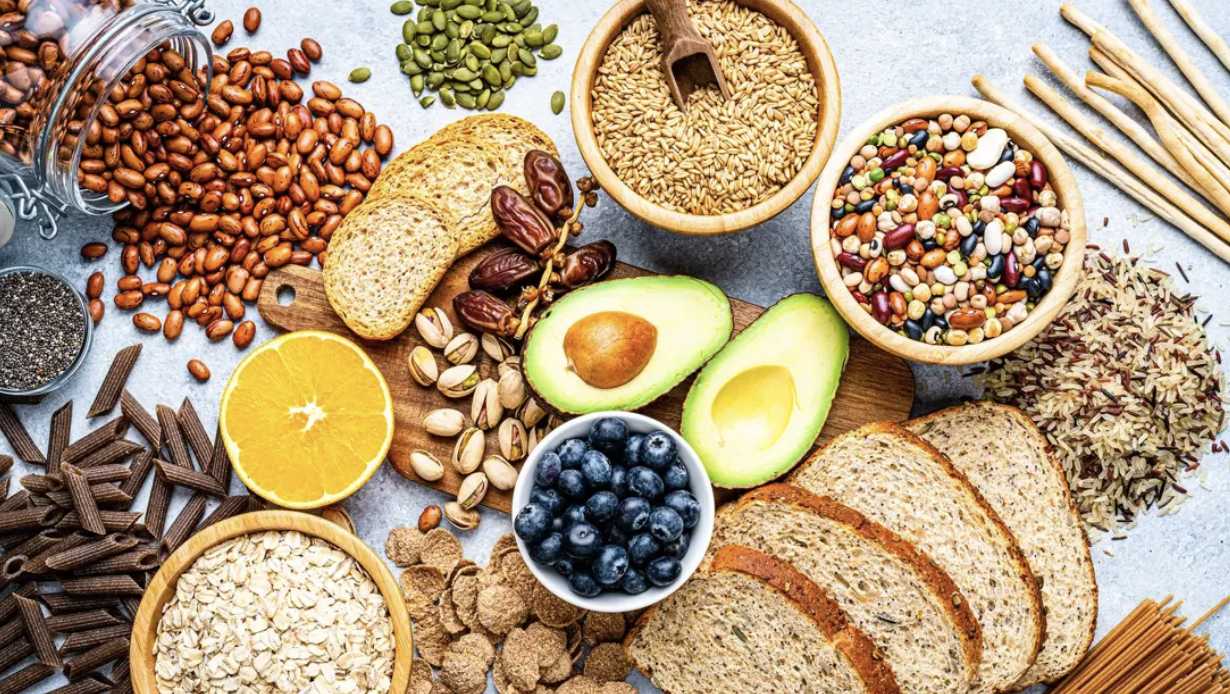
On social media, you’ve probably seen a billion extreme “all whole foods” diets or intense challenges. But honestly, you don’t need any of that to be healthy. In reality, all you need are meals that give you energy and make you feel like your best self! Try to focus on colorful dishes with a mix of carbs, fats, and proteins. You also don’t have to force yourself to eat “good” foods that you don’t actually like. Instead, prioritize a mixed diet of foods that you genuinely enjoy. Some simple ideas are fruit, lean meats, avocado toast, whole grains, and veggies.
Move your body in a way that feels good!
Movement is not meant to be three hours in the gym daily or constant demanding workouts in an attempt to “get abs by February.” Putting this stress on your body may actually stunt results. It increases the likelihood of quitting and can raise your cortisol (stress) levels. Instead, movement should be a stress reliever and dopamine releaser; it should be a distraction and a break amidst the stresses of our busy lives. When studying for a test, try to swap the 30-minute phone break for a walk outside. Other fun options include a quick yoga video on YouTube, lifting weights, or playing a sport you love.

So this year, don’t set goals that are working against you; create habits that support you. Going into 2026, build a balanced, sustainable lifestyle that has room for improvement and growth. You got this!