


Energy drinks. A simple two-word phrase that has replaced the centuries-old tea and coffee caffeinated beverages. You have probably heard that these drinks are bad for your health, but maybe you don’t understand why. Well, look no further! We will unpack the dangers hidden in many popular energy drinks and explore healthier alternatives to still feel energized but conscious of what’s best for your body and mind.
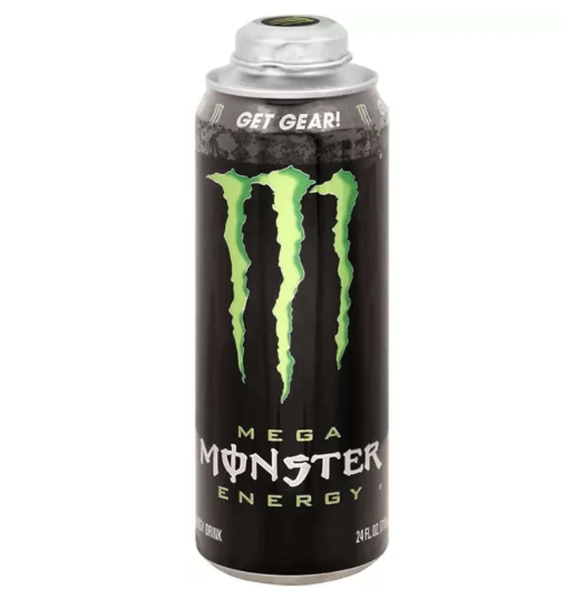
First, why are many energy drinks considered unhealthy? Energy drinks often contain high levels of caffeine. Compared to an eight-ounce coffee, which contains 100 mg of caffeine, many energy drinks, such as the Mega Monster contain 240 mg of caffeine–over twice as much as a standard cup of coffee. The NIH suggests that adolescents should not exceed 100-135 milligrams of caffeine per day (for individuals ranging from 88 to 154 pounds). Unfortunately, energy drinks often exceed this caffeine threshold. Take your favorite Alani, for example. Did you know that the Breezeberry and Dream Float flavors contain 200 milligrams of caffeine? That exceeds the recommended daily caffeine consumption for teenagers. Also, when coupled with extra ingredients that individually contain more caffeine such as Taurine, Guarana, and Ginseng, the overall caffeine content skyrockets.
These high levels of caffeine result in heart issues such as irregular heartbeats (the heart beating too fast), high blood pressure, and, in rare cases, cardiac arrest. The caffeine high provided by energy drinks is caused by a major increase in blood pressure hours after consumption. For individuals with pre-existing health conditions, energy drinks exacerbate symptoms. Many once-healthy, young individuals have died from heart failure due to drinking too many energy drinks per day.
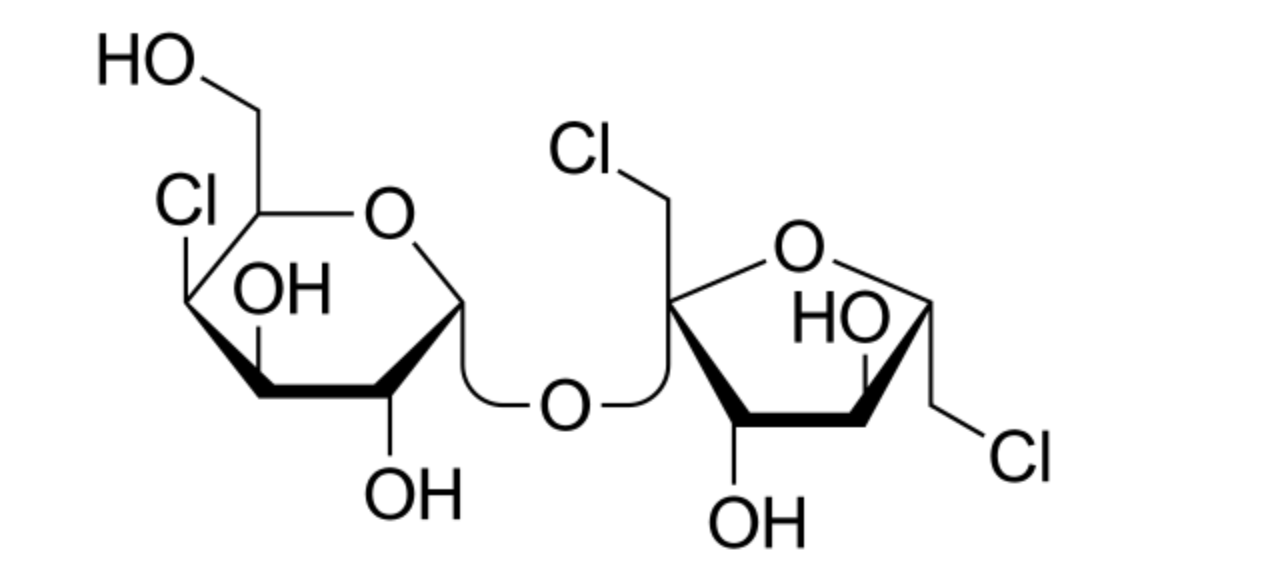
Additionally, to provide that extra short-term “boost” of energy, most energy drinks are laden with added sugar. The 16-ounce Original Rockstar Energy Drink has about 64 grams of sugar, the equivalent of a small McDonalds Shamrock Shake. Because people don’t register energy drinks as liquid treats like milkshakes, they unknowingly experience the high sugar content. Not to mention, the recommended daily sugar intake limit is 25 grams for adolescents, much less than the 64 grams of sugar in one Rockstar. Other energy drinks marketed as “zero sugar” oftentimes contain artificial sweeteners such as sucralose, which is present in Celsius and has been linked to intestinal microbiome inflammation and liver damage. “Zero sugar” doesn’t mean healthy; it just means that, more often than not, artificial sweeteners have been added to decrease calories in your favorite beverages.
This combination of high levels of caffeine, sugar, and the flush of dopamine causes addiction. Many people feel as if they can’t concentrate and perform to their full potential if they don’t consume their daily energy drink, making them overly reliant on harmful beverages. Furthermore, the societal norm of constantly consuming energy drinks leads individuals to feel pressured into drinking more energy drinks. The heavy marketing of energy drinks further encourages people to drink them.
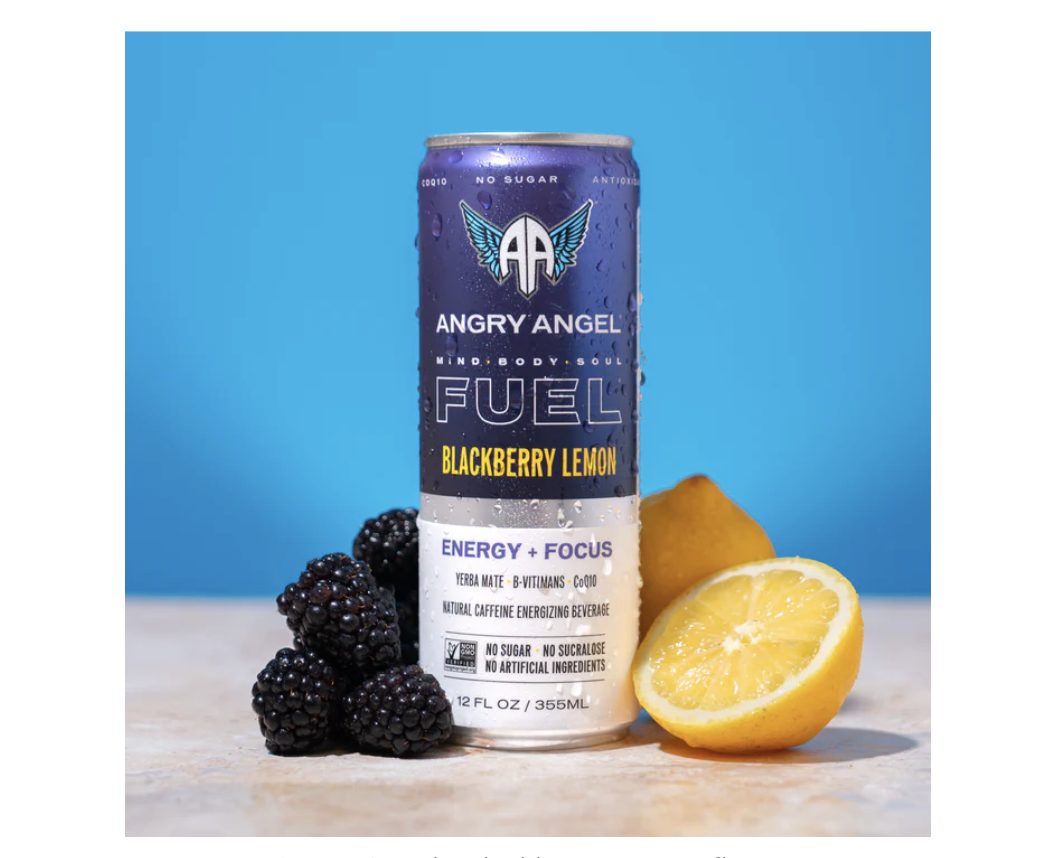
So, what can be done about the dangers of these energy drinks? Are there any solutions to consuming caffeine in a yummy, but safe way? Fortunately, there are many alternatives to the classic energy drink. Angry Angel is a company founded in 2015. Their goal is to make healthier energy drinks. They have five unique flavors, ranging from blackberry-lemon to strawberry-kiwi. What makes Angry Angels much better than the leading energy drinks is their natural source of caffeine—yerba mate, a much healthier source of energy due to its antioxidant properties and nutrients, without the sugary crashes. It is known to cause a “calm” focus, best for cognitive tasks and long-term energy. Additionally, Angry Angels uses monk fruit, a natural sweetener. They also pack their drinks with a variety of B vitamins. Their energy drinks only contain 120 milligrams of caffeine per can. Not only are Angry Angels beverages good alternatives to chemical-ridden energy drinks, but so is kombucha. Kombucha is a naturally fermented beverage, often consisting of water, some sugar, tea, and bacteria and yeast cultures. Although many types of kombucha don’t have any caffeine, their natural fizziness and B vitamins often lead to improved energy levels. Popular brands of Kombucha are Health-Ade and GT’s Living Foods. Another alternative to energy drinks is matcha. Matcha is a type of powdered green tea that contains L-theanine, an amino acid linked to promoting calmness, as well as containing a wealth of antioxidants. These ingredients contribute to matcha’s brain and body energy level boosts.
It is important to mention that not all energy drinks lead to such drastic consequences, but you should always monitor your caffeine consumption in order to stay healthy. These natural alternatives provide delicious yet healthier ways to still get an energy boost without the negative effects of standard energy drinks.