


The government shutdown is over. Lasting 43 days, it was the longest in US history. Here are the facts.
In March earlier this year, Senate Democratic Leader Chuck Schumer said he would support the Republican funding bill. This bill, among other things, did not guarantee an extension of the expiring Affordable Care Act (ACA) subsidies. For this reason, the majority of democrats in the Senate strongly opposed it and urged Schumer to do the same.
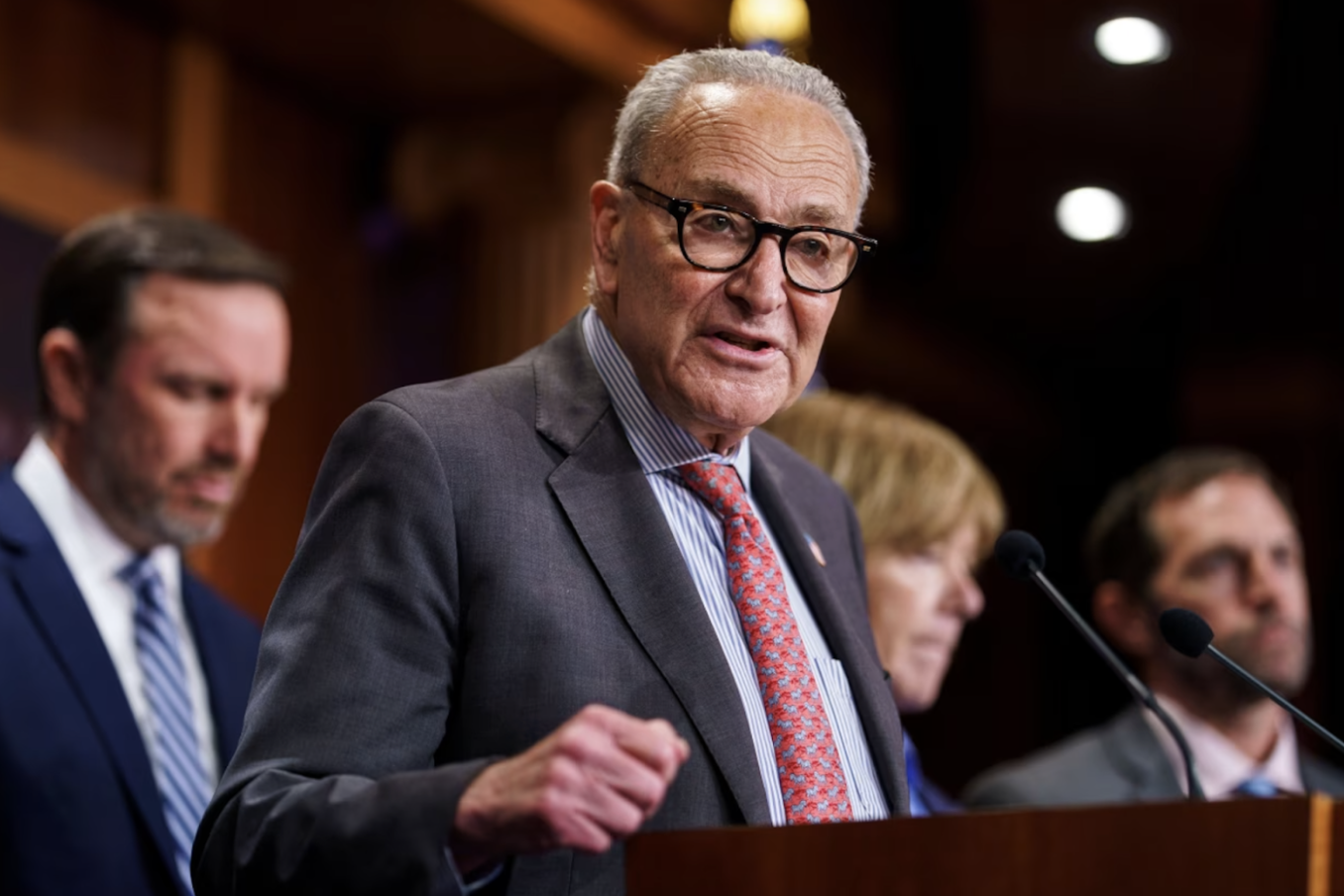
When the latest funding fight came up, he aligned with the other Democrats, including House leader Hakeem Jeffries. Together, Democrats refused to fund the government until the healthcare subsidies were extended. If these subsidies were not extended, millions of Americans would see their healthcare costs rise. On October 1st, with Republicans unwilling to extend the subsidies and Democrats unwilling to pass the bill, the shutdown began.
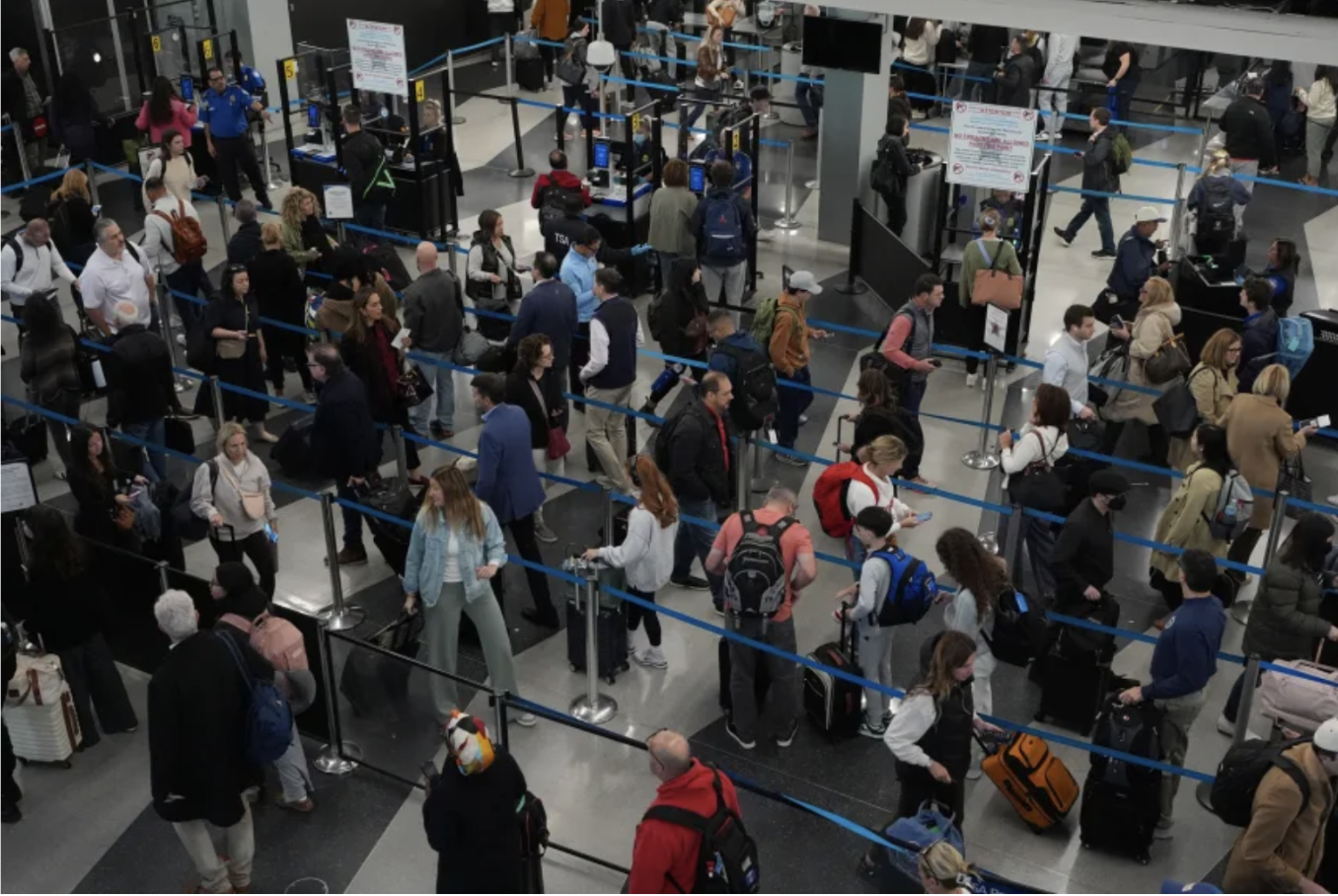
It lasted until November 12 and had an immense impact. Throughout the shutdown, federal workers did not receive their paychecks; many were fired in large-scale layoffs, and airports canceled flights due to the shortage of federal workers.
The government shutdown ended when eight moderate senators changed their position and began to negotiate with Republicans. According to these senators, they did not continue to hold out because it was clear to them that President Trump and congressional Republicans were unwilling to compromise. Furthermore, they did not want to inflict any more damage on the people who were struggling because of the shutdown.
A funding bill has been passed by Congress and signed by Trump, but it will only last until January 30th. That said, it makes some exceptions for SNAP (food benefits for low-income households), WIC (benefits for women, infants, and children), the Department of Veterans Affairs, and Congress. Those programs will last until September 2026.
Even though the shutdown is over, there are still unknowns. With the bill only lasting until January 30th of 2026, there may be another shutdown. The healthcare subsidies are also still up for debate. There have not been proper negotiations yet, so there is a large chance they will expire. While unlikely, for the healthcare subsidies to be extended enough moderate Republicans would have to create a deal with Democrats and get Republican leaders, as well as Trump, to agree with it. Without these subsidies, tens of millions of people could see their healthcare costs shoot up.