

The Truth Behind Racism and Hate Speech in Soccer
March 17, 2023
The Truth Behind Racism and Hate Speech in Soccer
The World Cup is one of the biggest sporting events in the entire world. The tournament is a global competition between different national soccer teams. The players, themselves, are normally idolized by the citizens of the country they represent, and the competition is so big because the game, soccer, is the most popular game in the world. However, this year, online comments about the losing teams and their players in the 2022 World Cup seemed overcome by hate speech and racial comments.
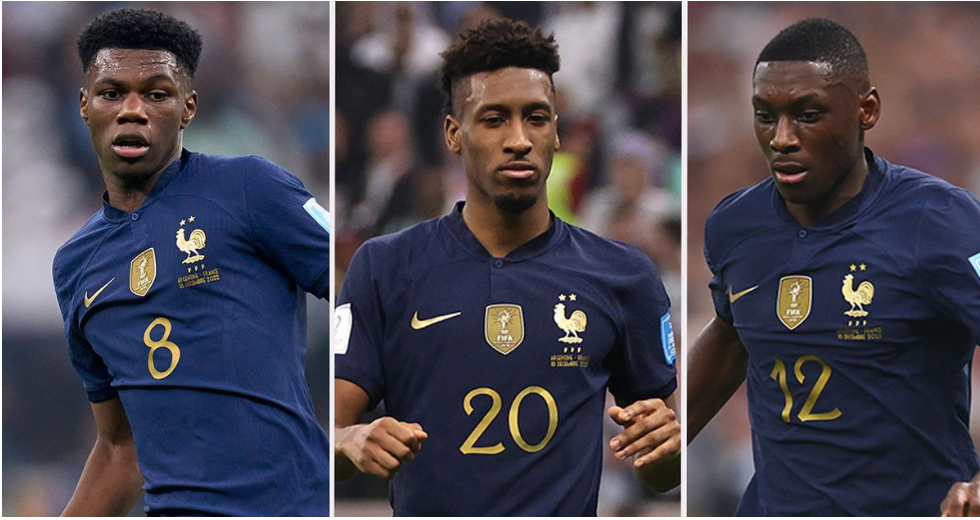
In Qatar, French fans blamed Aurélien Tchouaméni (midfield) and Kingsley Coman (forward) for the French National team’s loss because of their part in the penalty shootout and also blamed Randal Kolo Muani (forward) because he missed a shot in extra time. According to The Washington Post, these three French players of African descent were each harassed online through racial slurs and emojis (such as a monkey and banana emoji) during the 2022 World Cup. Numerous hateful comments were posted on Muani’s Instagram that he disabled his commenting on his social media platform. In a 3-3 tie in the World Cup Final against Argentina, Fans harassed Coman and Tchouaméni because they were the ones who missed their shots during the decisive penalty shootout. In actuality, Muani missed a shot near the end of the game in extra time which could have given France the World Cup. However, Muani was the only one out of these three to successfully make a penalty, but, based on the online comments, that did not matter.
Where has all of this racism come from? How does it affect the World Cup overall?
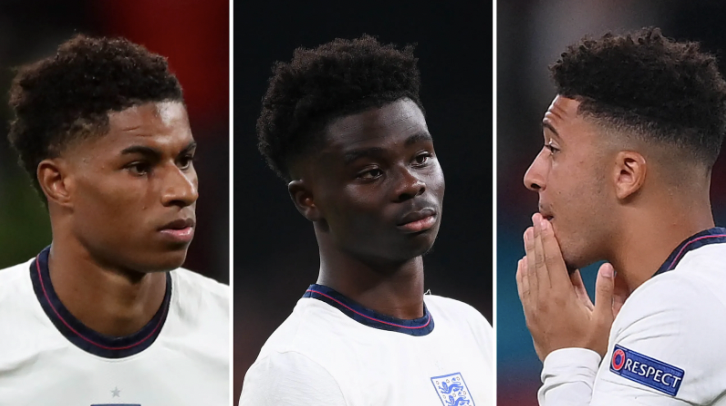
Not only in the Qatar World Cup, over the 2010–2023 era, many soccer players became subject to racist hate comments. Players on the English National team such as Jaden Sancho, Marcus Rashford, and Bukayo Saka faced racism in 2021 during the 2020 UEFA European Championships after they also missed penalties in the European Championship final. Another time -and probably one of the most troubling examples- came in the 2018 World Cup when Mesut Özil was pushed so far by racist comments, that it caused him to retire from international soccer altogether.
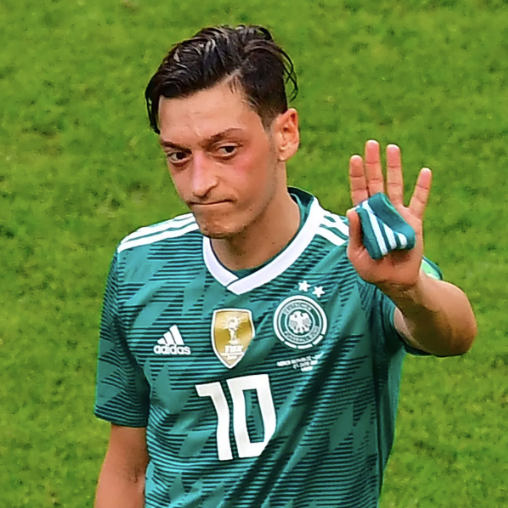
Before the 2018 World Cup, Özil was a respected member of the German National Team because he contributed to the team winning the World Cup in 2014. The online hate for Özil came because of his poor performance in the 2018 Russia World Cup, and most of the hateful speech stemmed from the fact that he came from a family of Turkish immigrants. When wearing the German jersey in a 2018 game versus Sweden, Özil was called a “Turkish pig,” along with many other disgusting statements about his ancestry. Özil also said that the harassment came from the German Football Federation (DFB) when former President Reinhard Grindel allegedly put all the blame on Özil for the German team’s performance in the 2018 World Cup. In a Twitter post, Özil said, “In the eyes of Grindel and his supporters, I am German when we win, but an immigrant when we lose.” This is a reference to the 2014 World Cup where Özil made a big contribution to the German National Team’s win, but in 2018 his effort was not there.
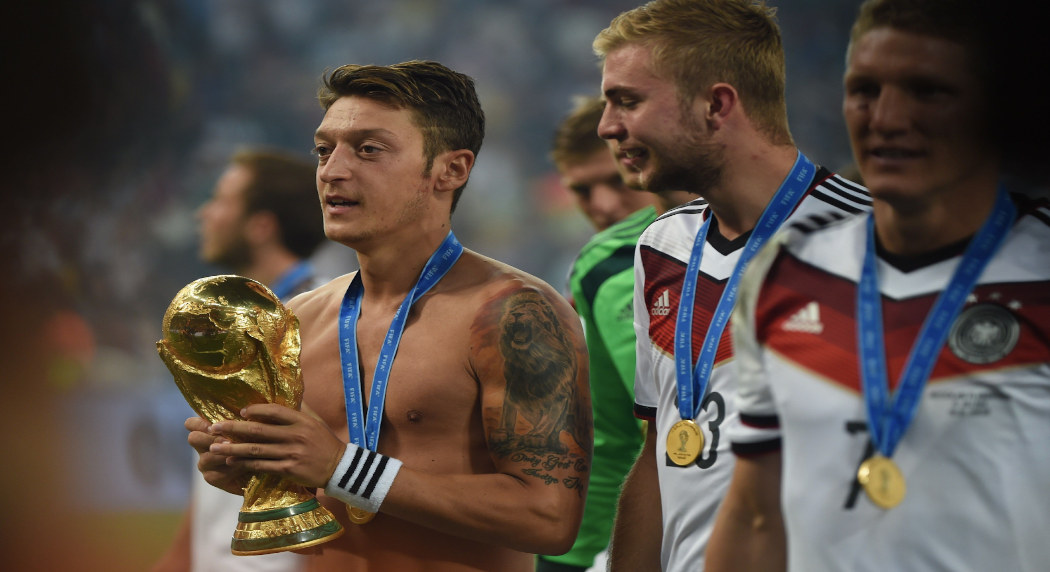
Even though these racial comments have come to light, the Qatar World Cup committee has done little to condemn the fans for their racist behavior and for making players of color scapegoats for a loss or knockout. There are many examples of what can be done by sports federations and celebrities. One example is when F.C Bayern Munich (the soccer club Coman plays for) commented on the hate speech about Kingsley Coman through Twitter. “[We] strongly condemn the racist comments made towards Kingsley Coman,” they said. “The F.C Bayern family is behind you, King. Racism has no place in sport or our society.” This comment alone sparked fans from Bayern to reach out and support Coman along with Tchouaméni and Muani. Another example is when many public figures went to the defense of Bukayo Saka, Jaden Sancho, and Marcus Rashford. This would include Prince William, Sadiq Khan (the current mayor of London), the English Football Association, and most importantly: Theirry Henry (a French soccer player who played for Saka’s soccer club team). Theirry Henry deleted his social media accounts in protest of the racism, and a few weeks later, many governing officials and athletes did as well.
The incidents experienced by Özil and the French and English players show how much needs to be done to end racism and hate speech in the world. The backing from celebrities and big sport teams really helps spotlight the message that needs to be made in order to stop the comments. However, it won’t help the players who were already affected by racial slurs or hate comments get over their fears or insecurities. The World Cup is a tournament loved by all soccer fanatics and players, and it is regarded as the pinnacle of one’s career if able to compete in it because it is meant to be a competition between people all over the world. The best of the best are supposed to face off against each other for their country, but if the citizens of the country they play for throw hate comments about their race, it really shows how little anyone is doing to stop this. When the country that hosts the contests doesn’t do anything about the racial hate given to different players, it shows how little the World Cup Federations are doing to make the World Cup what it is meant to be: inclusive.
To learn more about the racism in Qatar:
https://www.washingtonpost.com/sports/2022/12/20/french-players-racism-world-cup/
https://www.the-sun.com/sport/6948320/france-coman-kolo-muani-tchouameni-racial-abuse/
To learn more about the racism on the English players:
To learn more about the racism on Mesut Özil: