
If you watched The Grammys in 2000 and then turned in again today, you would feel like you were watching two completely different shows. In the 2000s, the award show focused mainly on a male-dominated industry. Most categories included only male nominees. There was also a strong bias towards English-language Western artists. However, over the past 26 years, the Grammys have become more inclusive and diverse.
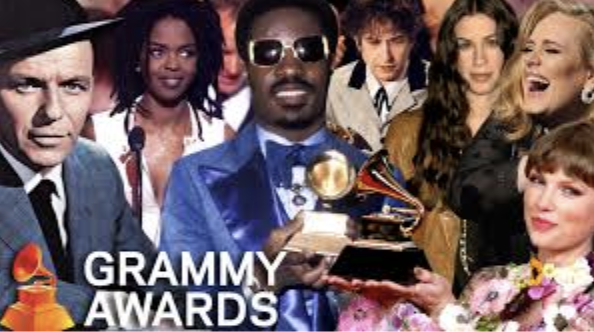
Change came mainly because it was demanded. From public boycotts to social media backlash, the Recording Academy was forced to acknowledge its role in continuing bias and exclusion within the music industry. In response, the Academy invited thousands of new voters to diversify the voting population. This also eliminated secret voting committees, which were largely composed of white men. They also introduced new categories to recognize global artists in overlooked music genres. Even the names of old categories changed to move away from old, outdated language.

These structural shifts have had positive outcomes, including more women winning top awards, more international artist nominations, and performances featuring a wider range of genres. The Grammys are so important because they serve as a cultural gatekeeper, shaping who gains fame and who doesn’t in the music industry. Grammy nominations and wins can reshape careers by gaining artists’ recognition, streaming numbers, and public support. Greater inclusion within the music space means more stories get told.

Still, debate continues on whether they have done enough. While some argue they only responded to controversy rather than leading the way toward a more diverse world, one cannot deny that the Grammys look very different from how they did 26 years ago. A massive win for marginalized groups in the music industry is that Bad Bunny recently won the 2026 album of the year, making his album the first Spanish-speaking album to win a top prize. Still, change is always needed and will continue to exist, especially in industries as fluid and influential as the music industry.